About
Meet Erica.
Helping couples and individuals build stronger relationships through deeper understanding, emotional connection, and lasting change.
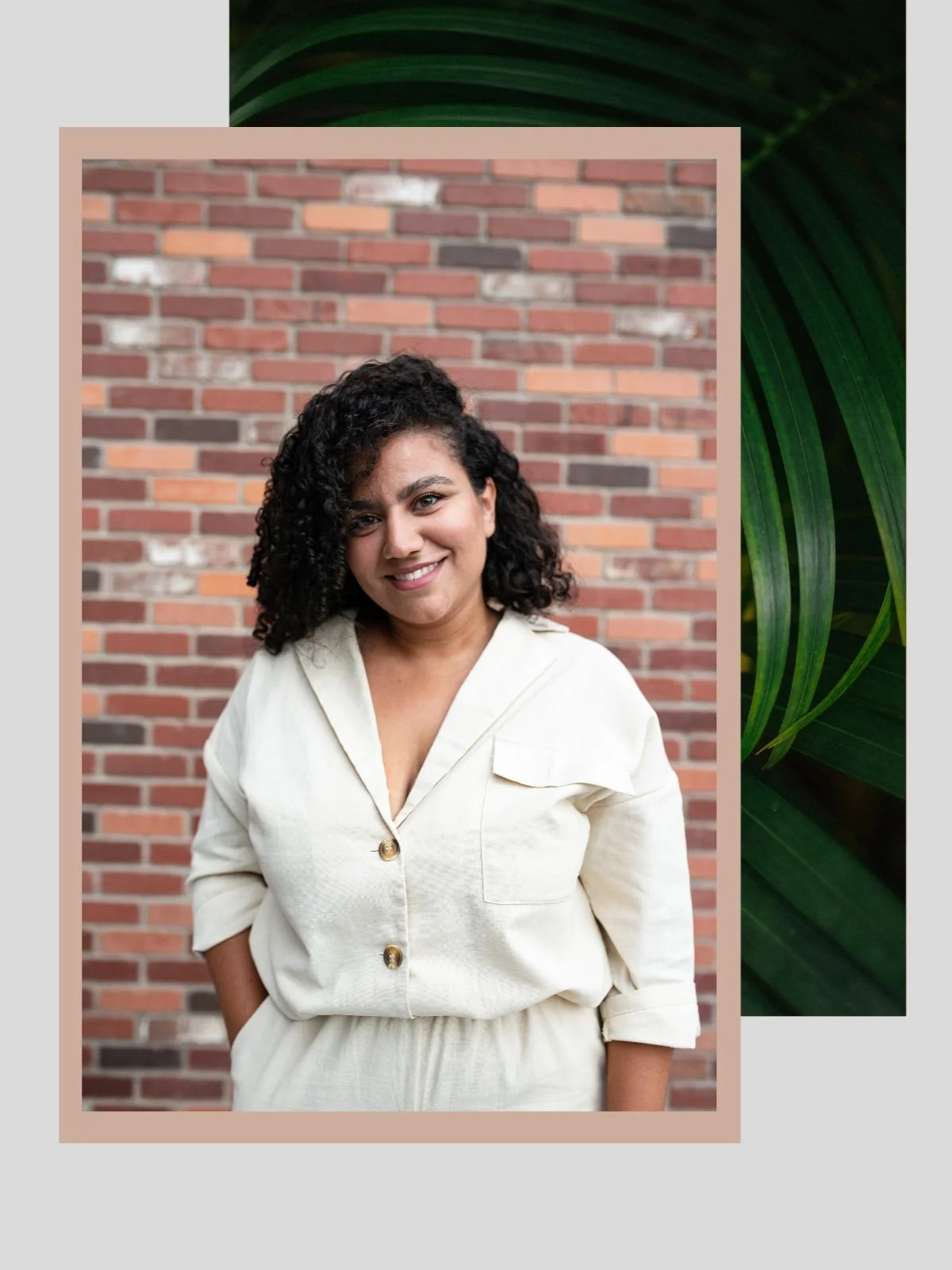
Professional brand photography coming soon.
Why this work matters
Relationships shape everything.
The quality of your relationships is the quality of your life. Not in a quote-on-a-mug way — in a nervous-system way. The way you feel safe (or don't) with the person across from you shapes how you sleep, how you parent, how you show up at work, and how you talk to yourself at the end of a hard day.
When connection is alive, almost anything is workable. When it's frayed, even the easy parts of life feel heavier than they should. Most of us were taught how to perform relationships, not how to build them — how to keep the peace, how to look fine, how to manage a partner instead of meet them. The cost of that adds up quietly, until one day you realize you're lonely in a relationship you swore you'd never be lonely in.
I love this work because I get to be a witness to what happens when people stop performing and start meeting each other for real. There's almost nothing more moving than watching two people remember they're on the same side.
My story
My path to becoming a therapist.
I'm a first-generation Dominican woman, raised in a family where the love was loud and the conversations about feelings were not. I grew up watching the women around me carry everything — the household, the worry, the unspoken — and call it normal. I learned early that connection is sacred, and that it's often the first thing sacrificed when life gets hard.
I became fascinated by why people who love each other can hurt each other so much. Why the same partners who can finish each other's sentences can also have a fight at 11pm that levels them for days. Why so many of us can be deeply capable in every part of our lives and still feel completely lost in the one that matters most.
That curiosity led me through psychology, into clinical training, and eventually into a specialization in couples and relational work. I trained in Emotionally Focused Therapy because it was the only model that actually felt like the love I knew — messy, embodied, attachment-driven, and far more about connection than about communication tips.
I built Connection Counseling to be the kind of practice I wished my family had been able to walk into: warm, real, culturally aware, and unafraid of the hard conversations. Whether you're a couple at a turning point or an individual untangling old patterns, you're welcome here.
What it's like to work together
Therapy should feel human.
My style is warm but direct. Compassionate but honest. I'll meet you where you are, and I'll also tell you what I see — because being agreed with isn't what changes people. Being truly understood is.
Sessions are 55 minutes (longer for couples and for discernment work). We move at the pace of your nervous system, not a protocol. There's no judgment about what you bring in — I've heard most of it, and what I haven't, I'm honored to hear. You don't have to perform insight or arrive with the right words. You just have to show up.
What clients often tell me:
- "I felt heard for the first time in years — by my partner and by myself."
- "You said the thing no one else has had the nerve to say. And it didn't feel cruel — it felt like a relief."
- "I leave sessions exhausted and lighter at the same time."
My approach
Evidence-based, deeply human.
I draw from several frameworks and tailor the work to who you are and what you're navigating. Here's what I lean on most.
Emotionally Focused Therapy (EFT)
My primary lens. EFT looks underneath the surface fight to the longings and fears driving it, and rebuilds emotional safety from there. Backed by decades of research as one of the most effective approaches for couples.
Internal Family Systems (IFS)
We all carry protective parts — the inner critic, the people-pleaser, the one who shuts down. IFS helps you meet those parts with curiosity instead of shame, and access the calmer self underneath.
Attachment Theory
How you learned to give and receive love shapes how love feels now. Naming your attachment style — and your partner's — makes the most confusing moments in a relationship suddenly make sense.
Trauma-Informed Care
Old wounds show up in present love. I move at the pace of your nervous system, never push for catharsis, and use somatic awareness alongside conversation so healing is felt, not just understood.
Narrative Therapy
The story you tell about yourself and your relationship shapes how you live it. Together we examine the dominant narratives — the ones you may not even know you're carrying — and write more honest ones.
Training & credentials
The technical part.
Credentials matter — and they're the floor, not the ceiling. What I bring beyond the licenses is years of work with real couples and individuals in the moments that actually matter.
- Licensed Marriage and Family Therapist (LMFT), New York
- Emotionally Focused Therapy — externship trained
- Internal Family Systems — continuing training
- Gottman Method foundations
- Trauma-informed and culturally responsive care
- Discernment Counseling — trained protocol
A little personal
Outside the office.
Favorite way to recharge
A long walk and an even longer dinner.
Coffee or tea
Coffee in the morning, tea after 4pm — strictly.
What I'm reading
Mostly fiction. Lately, a lot of contemporary Latina writers.
What I love about Long Island
The North Shore at golden hour, and being close to both the ocean and the city.
Why I became a therapist
Because connection is the most underrated and most important skill there is.
FAQ
Things people ask before reaching out.
Yes — limited spots for couples and individuals. A free 15-minute call is the best way to check fit.
Interested in joining Connection Counseling? Explore careers →
Ready to begin?
A 15-minute call costs nothing and commits you to nothing. Just a conversation about where you are.